
Filatika
Filatika will be a digital platform for working with postage stamps. It will bring together an expert catalogue, image analysis tools, a mobile app and a specialised imaging device. It will help collectors, experts and institutions work with stamps in a clearer, more organised way, based on structured data.
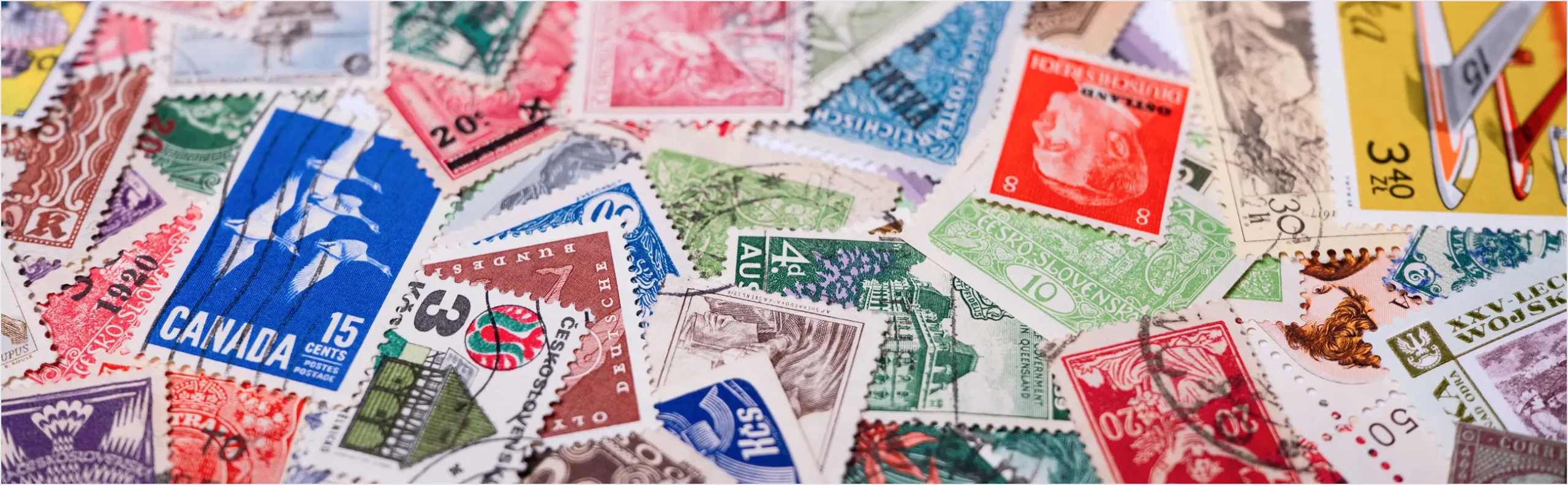
FilatikaAI will analyse an image of a stamp and help determine its issue, type, variant and selected attributes.
A structured catalogue will collect data on stamps, issues, variants and their properties.
The analysis will flag selected deviations and risk indicators that may prompt further expert assessment.
FIID will link a digital record to the characteristics of a specific stamp and support its long-term record-keeping.
Users will be able to photograph stamps, work with the analysis results and manage their collection from their phone.
The imaging device will capture standardised images in visible light, UV and transmitted light for more detailed analysis.
What Filatika will be
Filatika will be a digital ecosystem for working with postage stamps in a modern way. It will combine a structured catalogue, artificial intelligence, a mobile app and a specialised imaging device into a single solution for identifying, describing, analysing and recording philatelic items.
The project will focus on more detailed work with variants, perforation, watermarks, overprints, condition and other features. The catalogue will be built as an extensible expert foundation. Its coverage will be able to grow over time, helped by community contributions and their expert review.
The TWIST programme
Filatika will be developed within a project supported by the TWIST programme of the Czech Ministry of Industry and Trade.

Who Filatika will be for
For collectors
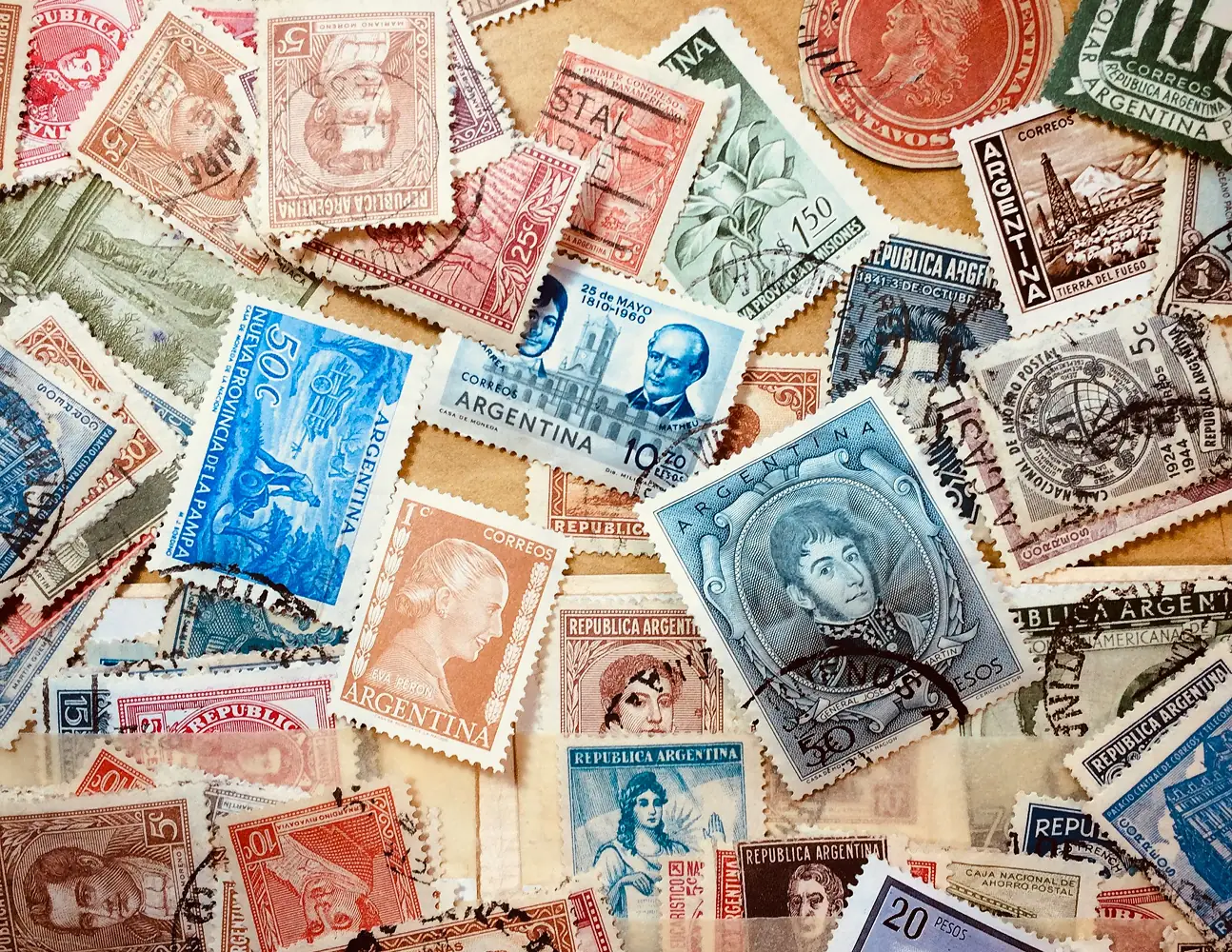
Filatika will help them identify an unknown stamp, file it in their collection and add structured information about it. They will be able to photograph a stamp, get the analysis results and gradually build a digital catalogue of their collection.
For advanced philatelists and investors
For higher-value items, details, variants and history will be important. Filatika will offer them tools for working with the attributes of a specific stamp, along with information for better-informed collecting or investment decisions.
For auction houses and dealers
Filatika will support the processing of larger volumes of stamps, the standardisation of their descriptions and the preliminary analysis of selected features. FIID will link the digital record of an individual item with its recorded characteristics.
For museums, libraries and institutions
Institutions will be able to use Filatika for the digitisation, record-keeping and expert management of philatelic collections. Structured records and image data will make long-term work with individual items easier.
Three pillars of the platform
Katalog Filatika
The catalogue will form the data foundation of the entire platform. It will allow issues, stamps, variants and their attributes to be described in a structured way and will prepare the data for further analysis. Its scope will grow gradually; new areas and periods will also require expert review of the records.
FilatikaAI
The AI layer will analyse image data and help identify stamps, variants and selected attributes. It will work with images from the mobile app as well as standardised images from the HW Filatika device. The analysis results will be stored as structured data for further review and work in the catalogue.
HW Filatika
The specialised imaging device will capture repeatable images of stamps under controlled conditions. The planned modes will include visible light, UV and transmitted light. The device will be intended for more detailed analysis and documentation.
How Filatika will work
You photograph or scan a stamp
You will capture the stamp with a mobile phone or with the specialised HW Filatika imaging device.
The system checks the image quality
Filatika will assess whether the image is sharp enough, correctly lit and ready for further analysis.
AI compares the stamp with the catalogue
FilatikaAI will look up matching records and help determine the issue, stamp type, possible variant and other available attributes.
Features are analysed in more detail
Depending on the available image data and the capture method, the system will assess, for example, perforation, colour, watermark, overprints or selected deviations.
You save the result to your collection
You will be able to file the identified stamp in your digital collection, add your own notes and manage related records.
Selected items receive their FIID
Filatika will be able to create a digital identity for a specific stamp based on its recorded physical characteristics. The stamp's FIID will support further record-keeping and comparison with future records.
FIID (Filatika Item Identity) will be the digital identity of an individual stamp. It will be based on selected physical characteristics captured during imaging, such as the perforation profile, printing deviations, paper structure or the reaction to UV and transmitted light.
FIID will be used for long-term record-keeping and for comparing records of an individual item. Its output will support expert assessment; on its own, it will not be a 100% guarantee of a stamp's authenticity or origin.
Why Filatika
More detailed identification
Filatika will aim to identify a stamp and its variants on the basis of multiple attributes.
Working with variants
The catalogue and analytical tools will take into account, for example, perforation, watermarks, colours, overprints and other differences.
Assessment support
The analysis will help flag selected unusual features and deviations that indicate risk.
Digital collection
Users will be able to record stamps, image data, attributes, notes and related history.
FIID for individual items
The digital identity will support the long-term linking of records relating to a specific stamp.
Mobile access
It will be possible to photograph and manage stamps via the mobile app.
Professional imaging
HW Filatika will capture standardised images for more detailed analysis and documentation.
For different types of users
The platform will be designed for collectors, experts, professional organisations and institutions.
Extensible catalogue
The data foundation will allow gradual expansion into further philatelic areas and periods, including expert review of new records.
Development roadmap
Interested in what Filatika will offer?
If the Filatika project has caught your interest, you can write to us using the contact form. We will be happy to tell you more about the project's development and its planned capabilities.
Find out more